Install on your iOS device:
Tap then "Add to Home Screen"
  • SUPPORTING RESPONSIBLE SHOOTING | Call us today:  07586 194458

Posts By :

Chris Downs

Knife Licences?

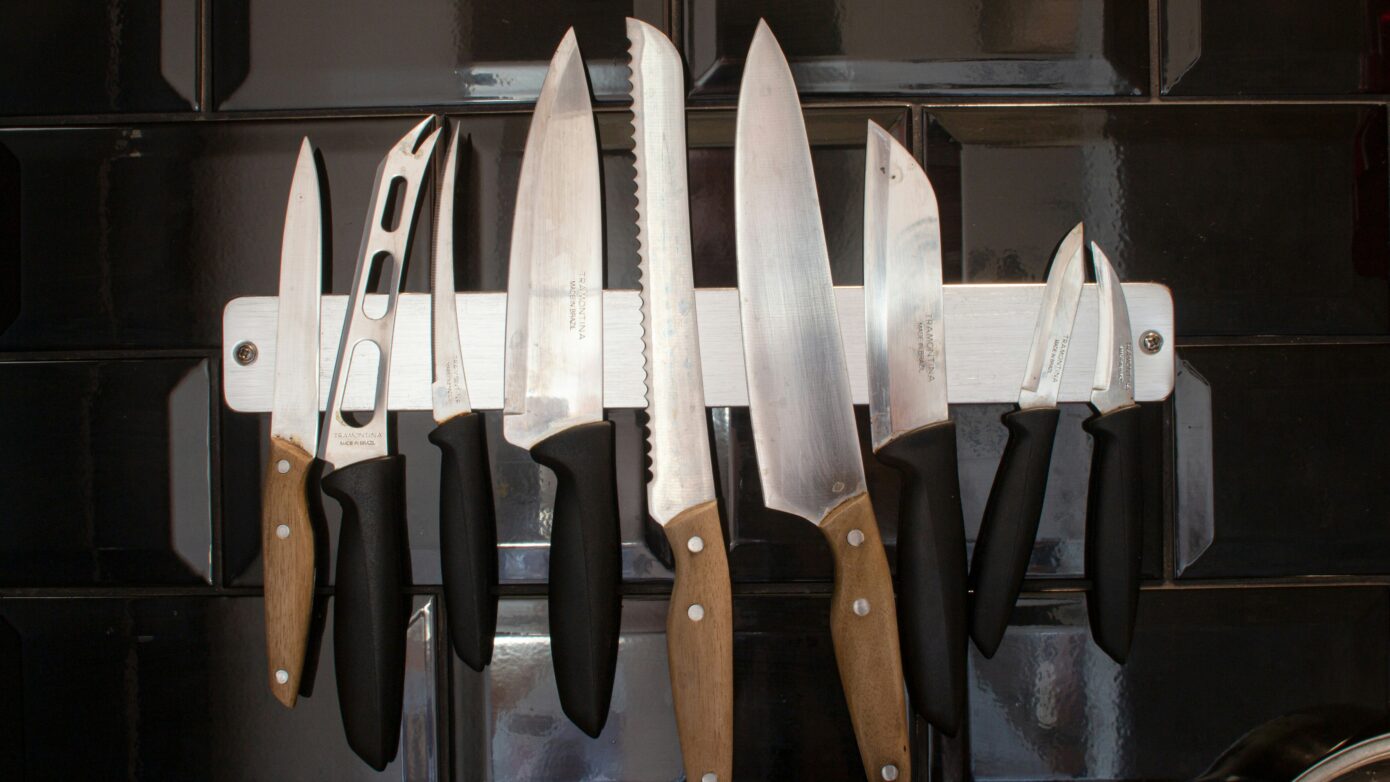
Knife Licences? 2560 1800 Chris Downs

Author’s Note:

I originally wrote this piece for Gun Trade Insider magazine, but the implications of the Home Office’s knife‑sales licensing proposals are too significant not to share more widely. Our new Trade section is designed to give RFDs – and anyone operating in the wider outdoor, sporting, and specialist retail space – clear, practical insight into regulatory changes that directly affect day‑to‑day business.

This article sets out the key issues the sector needs to understand, the operational risks that have been overlooked, and why a strong, informed response from the trade is essential.

Introduction:

Knife crime remains one of the most significant threats to public safety in the UK. After nearly three decades dealing with the consequences of this on the streets of London, I have no doubt about the scale of harm it causes. The Government’s ambition to halve knife crime over the next decade is something every one of us should support.

However, the recently announced Home Office consultation on licensing knife sellers raises serious concerns. The proposals concern the introduction of a new licensing regime covering the sale and importation of knives – affecting retailers, private individuals, online sellers, second hand markets, and anyone importing bladed items for personal use. This is one of the most far reaching regulatory expansions in recent years.

It is essential that the trade responds, not least because:

  • Many RFDS also trade in outdoor equipment, sporting goods and knives. Any new regulatory burden will directly affect them.
  • The consultation repeatedly references firearms licensing and proposes that police take the primary role in administering and enforcing this new scheme. Firearms licensing teams are already under severe strain; adding a vastly larger licensing population risks further degrading service to the shooting community.
  • Significant legislation already exists to prevent underage knife sales, and police and Trading Standards already have the powers to enforce it.

Please note, in writing this article I have consulted with a variety of partners including the British Shooting Sports Council.

Key Issues and Concerns

1. Unrealistic Expectations on Policing

The independent review by Commander Stephen Clayman states:

Lessons learned from firearms licensing shows that the regulation of the weapons markets reduces the availability and use of weapons in incidents, but it comes at significant cost to law enforcement.

Firearms licensing and knife sales are not directly comparable. Even if they were, forces already struggle to meet statutory firearms licensing obligations. Adding a licensing population potentially larger than the entire firearms community is operationally unachievable and would inevitably divert resources from their core functions.

2. Vague and Subjective Suitability Criteria

The consultation refers to “intelligence”, “dishonesty”, and “concerns” as grounds for refusing or revoking a licence but provides no definitions. This mirrors the inconsistent decision making and postcode lottery already seen in firearms licensing. Without a single clear primary agency in place and statutory criteria, the risk of arbitrary or uneven enforcement is high.

3. Import Licensing Is Unworkable at Scale

Border Force cannot realistically police millions of parcels containing kitchen knives, craft knives, or tools. The proposals offer no credible enforcement model for imports, and risk creating a system that is burdensome for legitimate users while having little impact on illicit supply.

4. Weak Evidence Base

The consultation cites knife crime statistics but provides no evidence that licensing sellers or importers reduces harm.

The Clayman review is explicit:

  • There is no standardised national data from police or hospitals capturing the types of knives used in crime.
  • That data does not exist to support targeted regulation of knife types.
  • The only available dataset of this kind relates to homicides (ONS 2024), which shows that 53% of fatal offences involve a kitchen knife.

This means the majority of weapons used in the most serious incidents are already present in the home. Regulating the sale of outdoor knives, tools, or specialist equipment will not meaningfully address the highest risk category.

There is also no analysis of:

  • whether offenders would simply shift to unregulated channels
  • whether the proposals would push legitimate trade underground
  • whether enforcement would divert police resources from more effective interventions

For a policy with such wide regulatory reach, this is a major omission.

Your Voice Matters

This consultation will shape the future regulatory landscape for knives and may set precedents for other licensing regimes. It is vital that practitioners, businesses, and individuals with operational experience respond.

We encourage all trade members to:

  • Read the consultation in full
  • Consider how the proposals would affect your business or activities
  • Submit a response highlighting practical, evidence based concerns

Key opportunities to respond include:

  • Questions 4 & 5 -whether businesses or private individuals should be licensed
  • Question 8 -describing the operational impact on your business
  • Question 9 – making any other comments.

Please note, both questions 8 and 9 have 250 word limits. It is therefore important to use this space well to highlight key issues or use the email address below to add further information.
If you would like support drafting your response, or wish to contribute to a coordinated sector submission, please get in touch at info@firearmslicensing.net.

To respond, search “Home Office knife sales consultation” or visit:

https://www.gov.uk/government/consultations/licensing-for-knife-sales/licensing-for-knife-sales-accessible

You can complete the online form or email:

KnifeLicensingConsultation@homeoffice.gov.uk

MPs work for you

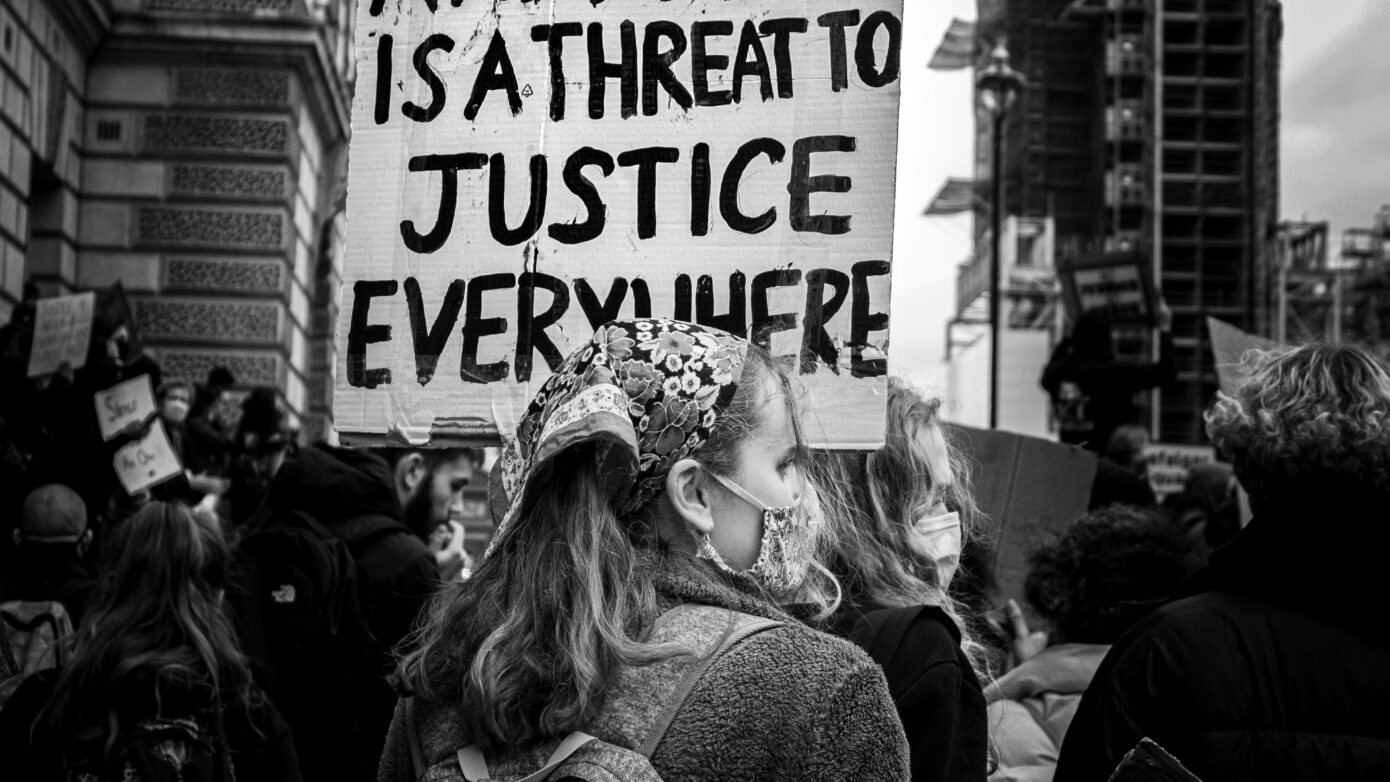
MPs work for you 2560 1707 Chris Downs

23 February Debate

A parliamentary debate will take place on 23 February following the petition on merging Section 1 and Section 2 firearms licensing.

This debate will not change the law, but it will influence the Government’s direction and MPs need to hear from the people who actually use the system.

Shooting needs you to invest a little time and contact your MP.

In our experience template letters are convenient but easy to for MPs to ignore. A shorter, more personal message from you makes the real difference.

You don’t need technical detail or long explanations these are hard to digest and easy to forget.

Just be polite, factual, and speak as a constituent.

Below are four key points you may want to consider and include in your own words.

Key Points

1. Evidence and public safety

The results of the Firearms consultation 2023 demonstrates that the shooting community supports strong licensing. The post‑Keyham reviews, and repeated HMIC inspections from 1993 to present day, have all highlighted the most serious problems lie in police practices (suitability assessment, leadership, training, and consistency between forces) rather than faults in the law itself.

The only specific reference to Law was made by the Keyham Coroner which has since been examined in detail and found to be irrelevant.

2. Police capacity and focus

Evidence is clear that public safety depends on police making a sound assessment of each individual certificate holder. This is highlighted extensively in the reports following all recent tragedies. National Police Chief’s Council (NPCC) figures show police capacity is already under strain, and redesigning the licensing system would divert focus and resources away from those proven safeguards.

3. Risk profile and purpose

Shotguns have a different risk profile and purpose, and Parliament has repeatedly reviewed their position and recognised this by regulating them separately. The distinction is deliberate and long‑standing, not an oversight.

4. Rural and economic impact

Shooting underpins farming, conservation, and rural jobs, and any major change to the licensing system would have real impacts on the countryside economy. Reform needs to support public safety without undermining the communities who rely on it.

But remember – your own experience is what matters most.

How to contact your MP

Step 1: Find your MP

Step 2: Include your full name and full postal address

  • MPs can only respond to people who live in their constituency.
  • If you don’t include your full address, your message will not be logged or passed to the MP.

Step 3: Keep your message short and personal

  • 5–7 sentences is ideal.
  • Say you are a certificate holder and a constituent.
  • Pick from the points above (or something else) and write in your own words
  • Explain why this matters to you.

Step 4: Be polite and constructive

  • MPs respond far better to respectful, measured messages.
  • Avoid templates – your own words carry far more weight.

Step 5: Ask for one clear action

Please attend the debate on 23 February and critically examine the evidence behind alignment. As my MP, I hope you will represent the views of your constituents and ensure any future changes are based on evidence and public safety.

Further Information:

Government Response to the 2023 consultation – https://assets.publishing.service.gov.uk/media/6895e391586f9c9360656a20/Consultation+response+document+12+02+2025+final__1_.pdf

The petition and initial Government response – https://petition.parliament.uk/petitions/750236

Further information on the different regimes – Shotguns aren’t the problem

Watch the debate live or afterwards on the UK Parliament YouTube channel – https://www.youtube.com/UKParliament

The Final Word

The shooting community has a long record of responsible, evidence‑led engagement.

A short, personal message from you helps ensure the debate focuses on what actually improves public safety – not on changes that add complexity without benefit.


Criminal Records Office (ACRO)

Criminal Records Office (ACRO) 2465 2560 Chris Downs

Understanding what the police hold about you on the Police National Computer (PNC) is one of the simplest ways to approach a firearms licensing application with confidence. This article explains how a free Subject Access Request (SAR) from the Criminal Records Office (ACRO) allows applicants to view their own PNC record, check for accuracy, and address any issues before applying.

Sorry you do not have access to this content - register or upgrade.

Scroll, Post, Consequences

Scroll, Post, Consequences 2560 1440 Chris Downs

The subject of policing Social Media and the wider internet has frequently caused public concern. The mainstream press seems full of examples which seem grossly out of proportion with what people would expect to be a productive use of police time.

A recent report which has caused concern amongst the shooting community is the case of Jon Richelieu-Booth with headlines like:


Man arrested in the UK for posing with gun in the US


Reports of this case can be found through an internet search or by visiting this link to the piece in the Metro –

https://metro.co.uk/2025/12/03/man-arrested-in-the-uk-for-posing-with-gun-in-the-us-plans-to-sue-the-police-25097070/

This article takes you through the history behind Social Media checks in firearms licensing and gives some practical advice on how to ensure online activity doesn’t impact on your shooting activities.

Sorry you do not have access to this content - register or upgrade.

Essential Knowledge

Essential Knowledge 2560 1707 Chris Downs

Essential Knowledge

Ahmed had some knowledge of the firearms licensing system and was trying to help a friend who had been caught in a not-so “voluntary” surrender. Despite his efforts, no one was responding to his enquiries, and he was unsure how to escalate the situation effectively.

We arranged a consultation and quickly identified that Ahmed needed clear, structured guidance. He purchased an Essentials Membership, giving him access to resources designed to support exactly this type of challenge.

Our Intervention

We directed Ahmed to an article that covered the subject in detail, including:

  • The expected standards of police behaviour, based on core values and competencies.
  • Common issues in firearms licensing complaints, such as inefficiency or failure to follow legal guidance.
  • The types of complaints that can be raised, including misconduct, corruption, abuse of power, and general policing standards.
  • Recommended steps to approach a complaint, starting with informal resolution attempts before escalating to formal channels.
  • Formal complaint methods, including contacting the Licensing Team, Police and Crime Commissioner, MP, or using online resources such as Police.uk and the Independent Office for Police Conduct (IOPC).
  • A structured framework for writing an effective complaint, ensuring clarity and professionalism.

The Results

Ahmed later told us: “That one article has saved me hours of searching. On its own it’s well worth the price of membership.”

With this guidance, Ahmed was able to support his friend more confidently, knowing the correct routes to escalate concerns and the standards against which police behaviour should be measured.

Why it matters

When individuals face silence or obstruction structured knowledge becomes essential.

We don’t just provide information—we equip responsible shooters and their supporters with the tools to challenge poor practice, restore fairness, and hold authorities to account.

The Road Back to Shooting

The Road Back to Shooting 2560 1714 Chris Downs

Case Study: A route back to shooting

Our Client “David” was a long-standing certificate holder who experienced serious trauma in his life and began abusing alcohol as a coping mechanism. His behaviour while “in drink” fell short of the police’s expectation of a certificate holder and he was revoked.

In the five years that followed he re-applied for his certificate twice and was refused on both occasions where police said insufficient time had passed since the original incident. When he asked the police for guidance they advised him to complete further courses to improve his shooting knowledge and skills.

He wrote to his representative organisation and they declined to provide any meaningful support.

We met him, assessed and recommended he engage us on a consultancy basis.

Our Intervention

We agreed to pursue a longer term plan that:

  • Engaged the police force and asked for their contribution.
  • Disputed the force’s “policy” that an applicant had to wait 2 years before re-submitting.
  • Listened to all the circumstances.
  • Worked with a counsellor

The Results

Apart from the personal representation, which took place at a police station, all of the actions above were covered by the complete membership.

Within two months, all firearms and shotguns were returned. The client accepted a formal warning for a minor breach of certificate conditions—no prosecution, no lasting damage, and restoration of his shooting rights.

Why it matters?

This case highlights a critical truth:

When legal routes are inaccessible and sector support fails, expert advocacy becomes essential.

We don’t just interpret the rules—we challenge misuse, restore fairness, and stand with responsible shooters when others won’t.

The Forgotten

The Forgotten 7860 4320 Chris Downs

The Forgotten

Our Client “Robert” had applied for the grant of a shotgun certificate 18 months previously. Despite repeated attempts to get an update, all he received were generic replies that offered no clarity on what had happened or how the matter would be resolved.

We arranged a consultation and found him to be a well-prepared and responsible applicant.

We recommended a complete membership and began working on his behalf.

Our Intervention

We agreed to pursue a plan that:

  • Engaged the licensing department directly to establish the facts of the case.
  • Used our professional network to identify the correct points of contact, ensuring the issue was raised with those able to act.
  • Escalated the matter constructively, emphasising fairness and accountability rather than shortcuts.
  • Supported Robert throughout, keeping him informed and reassured while the process was ongoing.

The Results

Within weeks, the application was located and re-entered into the system.

The force acknowledged the error and committed to progressing the case properly. Robert avoided further unnecessary delay, and his confidence in the process was restored.

Why it matters?

This case highlights a critical truth:

When applications are lost in the system, persistence and professional advocacy are essential.

We don’t bypass procedures—we ensure they are followed.

By using our network responsibly, we restore fairness, protect applicants from administrative failings, and stand with responsible shooters when others won’t.

Partnership Delivers Protection

Partnership Delivers Protection 2560 1810 Chris Downs

Partnership Delivers Protection

Charles, a member of one of our partner organisations, had applied for a grant over a year earlier. When he attempted to check on its progress, he was told the application had never been placed on the system because it was “incomplete.”

The response was blunt: he would need to submit a new application, pay the now doubled fee, provide a new GP proforma (minimum £70), and wait yet another lengthy period.

Fortunately, his membership of our affiliate organisation covered our intervention, and we stepped in immediately.

Our Intervention

We agreed to pursue a plan that:

  • Reviewed all associated correspondence and identified that the grounds for rejection were flawed.
  • Highlighted that customer service had been non-existent and the information provided by police was simply incorrect.
  • Liaised directly with the force to negotiate a fair resolution.
  • Secured agreement that the original application would be re‑invigorated, saving both time and effort.
  • Ensured the old application fee applied, immediately saving Charles £110.
  • Confirmed that police would contact his GP, and if no change was reported, no new proforma would be required.
  • Coached Charles on firearms licensing topics to help his process run even smoother.

The Results

Charles avoided unnecessary costs and delays. His application was restored to the system under the original fee, with no need for a new proforma. He gained confidence in navigating the licensing process and was better prepared for future interactions with the authorities.

Why it matters

When flawed decisions and poor customer service block progress, expert advocacy restores fairness.

We don’t just challenge errors—we negotiate practical solutions, protect applicants from unnecessary costs, and stand with responsible shooters when others won’t.

Five Years Saved

Five Years Saved 2560 1707 Chris Downs

The “policy” that wasn’t

Our Client “Matt” was a former certificate holder who had taken a break from shooting while working in the United States. During that time, his medical care was provided by a local doctor. Now, having been resettled in the UK for over 15 years, he decided to return to his former passion.

But to his dismay – and despite presenting a completely clear medical proforma – his application was rejected. The force told him he would need to wait another five years.

We assessed the case, recommended he purchase a complete membership and got to work.

Our Intervention

We stepped in with the expert advocacy and support that defines us:

  • Engaged the police force to seek resolution — only to be told it was “policy” to demand 20 years of medical history.
  • Disputed the force’s claim that this was based on College of Policing guidance.
  • Investigated the alleged policy and found it was neither written down nor aligned with legislation or NPCC direction.
  • Challenged the legality of the rejection, which offered no right of appeal.
  • Advocated directly to decision-makers, making clear that their practices did not withstand scrutiny.

The Results

All of this was covered under the client’s Complete Membership.

Within seven weeks – slightly delayed while refreshing the medical proforma – the force accepted the application.

Why it matters?

Application rejections are a growing grey area in firearms licensing.

At first glance, the police response sounded credible. But closer examination and our intervention meant our client was back to shooting five years earlier than he otherwise would have been.

Don’t just listen to us

This is what our client says:

Chris has provided invaluable advice and support in my efforts to obtain a new firearms license after my previous one had lapsed several years ago. He has deep knowledge and understanding of the law and how to navigate the firearm licensing process. I urged anyone who has questions about obtaining a license or needs advice to reach out to Chris.

Rights After Revocation

Rights After Revocation 1707 2560 Chris Downs

Restoring Rights After Revocation

Our Client “Sean” is a long-standing certificate holder with an impeccable record in both recreational shooting and agricultural vermin control. Despite his clean history and responsible conduct, he was arrested for two serious offences and had both his Firearm and Shotgun Certificates revoked.

To make matters worse, the major shooting organisation he’d loyally supported for over a decade declined to assist him.

We recommended he purchase a complete membership and got to work.

Our Intervention

We stepped in to provide the expert advocacy he couldn’t find elsewhere:

  • Engaged the police force to seek a collaborative resolution.Challenged the legality of the revocation—scrutinising both the content and the authority of the officer who issued it.
  • Advised on appeal when no response was forthcoming.
  • Disputed the force’s claim that the revocation was voluntary, exposing procedural errors.
  • Accompanied the client to an interview under caution, ensuring his shooting interests were properly represented.
  • Advocated directly to decision-makers, reinforcing his credibility and the disproportionate nature of the response.

The Results

Apart from the personal representation, which took place at a police station, all of the actions above were covered by the complete membership.

Within two months, all firearms and shotguns were returned. The client accepted a formal warning for a minor breach of certificate conditions—no prosecution, no lasting damage, and restoration of his shooting rights.

Why it matters?

This case highlights a critical truth:

When legal routes are inaccessible and sector support fails, expert advocacy becomes essential.

We don’t just interpret the rules—we challenge misuse, restore fairness, and stand with responsible shooters when others won’t.

Back to top