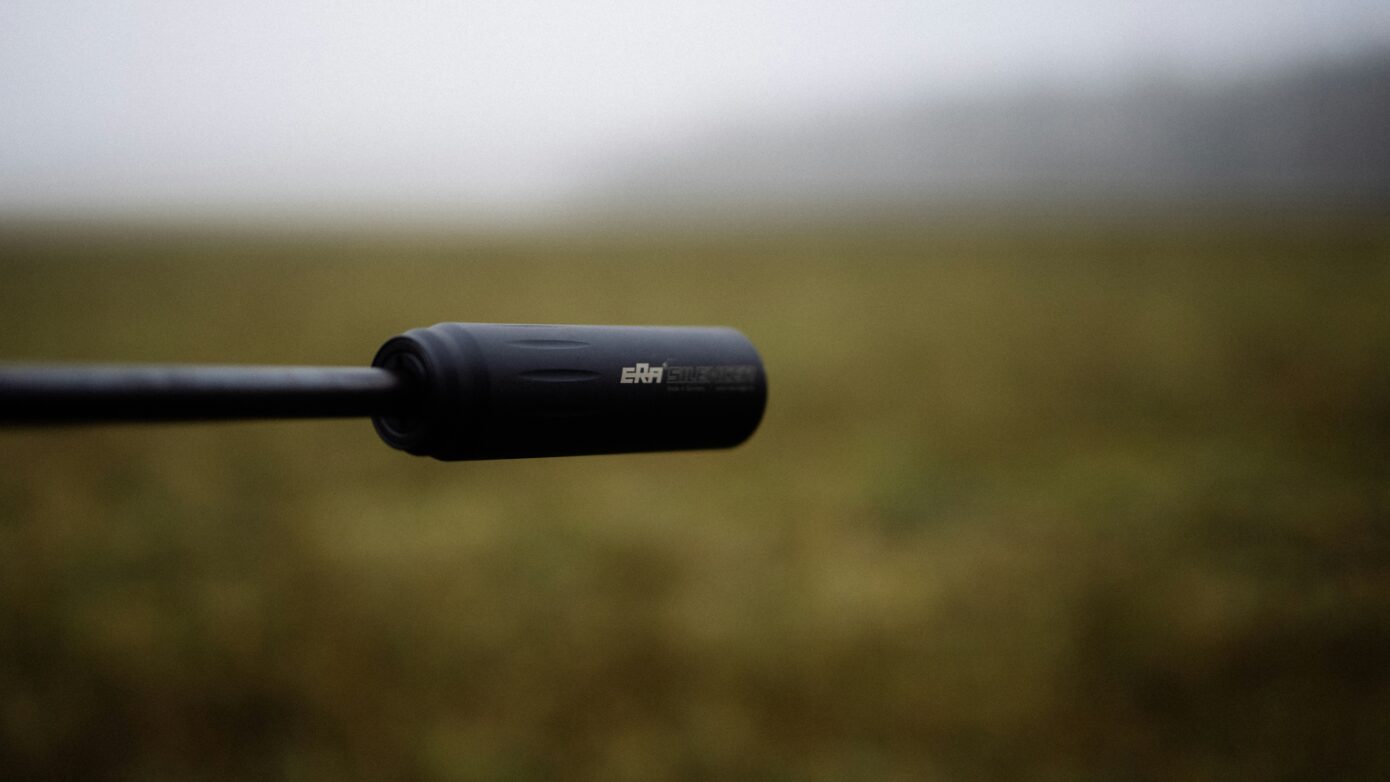
A quick read to summarise the recently announced Home Office position on sound moderators.
Introduction
The Home Office consulted on a proposal to remove sound moderators (commonly known as suppressors) from firearms licensing controls.
The original thinking behind including such “accessories” within regulatory control is unclear but it seems to be rooted in a misunderstanding that such items were the tools of assassins and murderers.
The proposed change to Firearms Act 1968 could remove this section at 57(1)(d)
“an accessory to a lethal barrelled weapon or a prohibited weapon where the accessory is designed or adapted to diminish the noise or flash caused by firing the weapon”
from the definition of a Firearm.
In practical terms Police are currently holding records of tens of thousands of metal tubes which are typically recorded on Firearms Certificates as “NVN” (No visible numbers).
Some questions remain about when this will take place and what the new offence of possessing a sound moderator without a firearms certificate will look like.
I strongly suspect this will cause more unnecessary confusion and leave a legally imprecise situation. i.e. if a sound moderator fits both a Section 1 rifle and an unregulated air rifle – what is it?
However overall, this direction from the Home Office is a victory for common sense and has the potential to remove significant administrative burden from police and the shooting community with no demonstrable risk to public safety.
Key Findings from the Consultation
– 94% agreed that police certification to possess a sound moderator should be removed.
– 98% agreed there is no public safety risk in deregulating sound moderators.
– 95% supported their health and safety benefits, especially for hearing protection.
– 96% felt the criteria for a Legislative Reform Order (LRO) had been met.
Most respondents were certificate holders or those involved in shooting sports. Notably, even a high percentage of police and public respondents supported the proposal.
Concerns Raised
- Risks of substandard moderator manufacture if deregulated.
- Potential misuse by criminals or poachers due to reduced sound.
- Suggestions that moderators should still only be sold to certificate holders, even if no variation is needed.
Government Position
- Sound moderators are inert, non-dangerous accessories.
- The government agrees with simplifying their legal treatment.
- It plans to remove moderators from the definition of “firearm” via primary legislation.
- A new offence will be created: possessing a sound moderator without holding a valid firearms certificate—thus removing the admin burden of certificate variations but retaining some control over possession and ownership.
The full government response can be found via this link: