Introduction
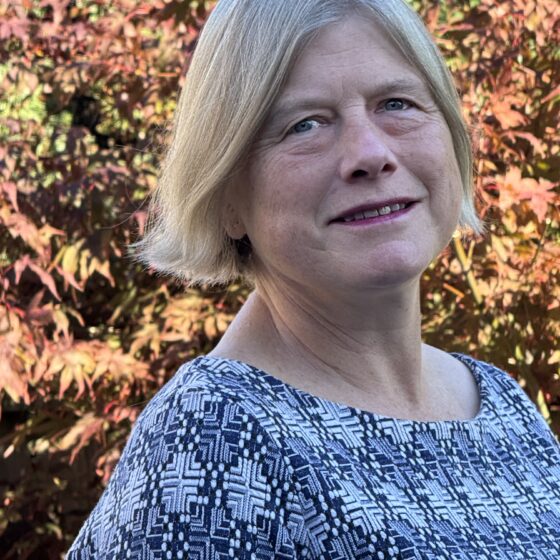
This article has been written by dementia specialist Sarah Collins, drawing on her extensive experience supporting people to stay active, independent and connected after diagnosis. At FirearmsLicensing.net, every member of our team is a proud Dementia Friend, and we share Sarah’s belief that a diagnosis should never mean an immediate loss of identity or community.
Her guidance helps shooters, families and clubs understand how dementia affects people differently and how, with the right support, many can continue to enjoy the sport safely and confidently for years.
Living Well, Staying Safe, and Remaining Part of the Community
Dementia touches many families. More than ever, people are being diagnosed earlier, supported better, and living well for longer. A diagnosis does not mean an immediate loss of independence, identity, or the hobbies that bring meaning and connection – and for many shooters, the sport is a huge part of who they are.
Shooting is a discipline built on routine, muscle memory, focus, and community. Those qualities can remain strong long into someone’s dementia journey. With the right planning and support, many people continue to shoot safely and confidently for years after diagnosis.
This article explores how dementia can affect shooting, what practical steps help maintain safety, and how clubs, families, and shooters themselves can work together to keep the sport accessible, dignified, and safe.
Understanding Dementia: A Spectrum, Not a Switch
Dementia is not one condition but a broad term covering many different diseases – over 200 types, each affecting people differently. Symptoms vary widely and often progress slowly.
Some people experience changes in:
- attention and concentration
- reaction time
- spatial awareness
- memory and decision‑making
- visual or auditory processing
Others may notice very little change for a long time.
What matters is recognising that dementia is not an immediate barrier to safe firearm ownership or participation in shooting. It simply means that planning, awareness, and support become more important.
Why Shooting Skills Often Remain Strong
Many shooters have decades of experience. Skills such as:
- safe handling
- muzzle awareness
- range etiquette
- stance and grip
- breathing and trigger control
…are deeply embedded through repetition. This “procedural memory” is often preserved even when other types of memory become less reliable.
For many people with dementia, shooting remains:
- familiar
- calming
- confidence‑building
- socially meaningful
Clubs can play a vital role in helping members stay active and connected.
Safety: A Shared Responsibility
Shooting has always been a sport where safety comes first. Dementia doesn’t change that – it simply means that shooters, families, and clubs may need to think ahead.
Changes that can affect shooting include:
- slower reaction times
- difficulty processing complex or fast‑moving situations
- occasional confusion or misinterpretation
- reduced hazard awareness
- changes in balance or coordination
These do not automatically prevent someone from shooting, but they do mean that regular review and honest conversations are essential.
Practical Ways to Support Safe, Ongoing Participation
1. Plan early
Talking openly with family, shooting friends, and club officials helps protect independence for longer. Early planning avoids rushed decisions later.
2. Review storage arrangements
Secure storage is always essential. As dementia progresses, there may be need to consider:
- relocating firearms within the home
- using additional security measures
- storing firearms with a dealer / club
- involve a trusted family member or certificate holder
These decisions should be made calmly, not reactively.
3. Stay connected with your club
A supportive club can make all the difference. Many already operate informal buddy systems — pairing experienced shooters together for mutual support.
Clubs can help by:
- offering gentle prompts
- reinforcing range rules
- adapting drills or pace
- ensuring a calm, structured environment
This keeps shooting enjoyable and safe for everyone.
4. Adapt, don’t stop
Some shooters choose to:
- move to slower‑paced disciplines
- use seated or supported positions
- shoot at quieter times
- shorten sessions
Small adjustments can preserve independence and enjoyment.
Medical Disclosure and Licensing: Staying on the Right Side of the Law
Dementia is a relevant medical condition for firearms licensing.
This means:
- it must be declared on an application or renewal
- there is a continuing duty to notify the police of significant changes
- GPs may be asked for factual information
- decisions are made case‑by‑case, not automatically
The police are not looking to remove firearms from people who are managing their condition well. They are looking to ensure that certificate holders remain safe, responsible, and supported.
Being open with your GP and the police helps maintain trust and avoids problems later.
Living Well, Shooting Well
A dementia diagnosis does not erase a lifetime of experience, nor does it remove someone from the shooting community. With understanding, planning, and support, many people continue to enjoy the sport safely and meaningfully.
Key points to remember
Dementia affects everyone differently
- Many skills remain strong for a long time
- Early planning protects independence
- Clubs can offer vital support
- Disclosure is required, but decisions are proportionate
- Safety is always the priority — for yourself and others
Shooting can remain a source of joy, identity, and connection. With the right approach, living well with dementia and continuing to shoot are entirely compatible.